Notebook Templates for KDP: A Practical Guide to Creating Low-Content Books That Sell
Creating and selling low-content books on Amazon KDP has become one of the most accessible ways to generate passive income through self-publishing. At the heart of this opportunity lies a simple but essential resource: a well-designed notebook template. Whether you are just starting your KDP journey or looking to expand your existing catalog, having the right notebook templates can make the difference between a product that sits idle and one that converts browsers into buyers. This guide explores what notebook templates really offer, how they solve common publishing challenges, and how you can use them to build a sustainable low-content book business.
What Notebook Templates Bring to Your KDP Workflow
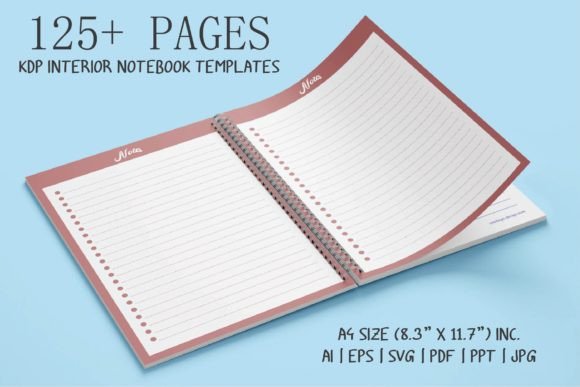
A notebook template is more than just a set of pages with lines or dots. It is a complete interior file that gives your book structure, consistency, and professional polish. For KDP publishers, these templates eliminate the tedious process of designing every page from scratch. Instead, you receive a ready-to-upload file that includes everything from page layout to print specifications. The best templates come in multiple formats so you can customize them if you choose, or upload them directly with zero editing. This is precisely what makes notebook templates such a valuable asset for anyone serious about building a KDP catalog efficiently.
When you work with a comprehensive template package, you gain access to high-resolution interiors that meet Amazon's strict print requirements. No bleed settings, proper margins, and correct page counts are already built in. This removes the guesswork and the risk of rejection during the upload process. For many publishers, the technical side of formatting is the most frustrating part of the workflow. A thoughtfully designed template removes that barrier entirely.
The Real Challenges KDP Publishers Face
Most people who start publishing on KDP quickly discover that the creative part is only half the battle. The real hurdles often lie in production speed, formatting consistency, and maintaining a professional look across multiple titles. Without a reliable template system, every new book becomes a project that demands hours of repetitive work. Adjusting margins, aligning page elements, and ensuring print readiness for each new title drains time that could be better spent on marketing, research, or creating more products.
Another common pain point is file format frustration. Many publishers find themselves locked into a single software ecosystem, unable to edit or adapt their interiors when needed. If you have ever needed to make a last-minute change but lacked the right file format, you know how disruptive this can be. A good notebook template package addresses this by providing multiple format options, so you always have a way forward regardless of your preferred tools.
Then there is the challenge of scaling. Once you have a successful notebook design, you naturally want to replicate that success across different themes, cover styles, and page counts. But without a flexible template foundation, each variation requires starting over. This is where having editable source files becomes a game changer.
How Notebook Templates Address These Publishing Needs
A well-crafted notebook template package solves these problems by giving you both ready-to-use files and editable source materials. You can choose to upload the PDF interior directly to KDP with no additional work, or you can open the AI or EPS file in vector editing software to tweak colors, adjust spacing, or add your own branding elements. This dual approach serves both the publisher who wants speed and the one who prefers creative control.
The inclusion of multiple format types means you are never stuck. If you work primarily in PowerPoint, the PPT files give you an easy way to make quick edits. If you prefer Adobe Illustrator, the AI and EPS files offer full vector flexibility. For publishers who want a simple drag-and-drop solution, the PDF and JPG formats are ready to go. This variety ensures that no matter your skill level or software preference, you have a path to publication that fits your workflow.
Having 125 pages in a single template also solves the problem of content depth. Many notebook buyers are looking for enough pages to feel substantial but not so many that the book becomes unwieldy. A 125-page interior hits a sweet spot that works well for journaling, note-taking, sketching, and planning. This page count is also cost-effective to print, which means you can price your book competitively while maintaining healthy margins.
Practical Applications for Different Types of Publishers
The way you use notebook templates will depend on your publishing goals and your level of experience. A beginner might start by uploading a PDF interior directly with a custom cover, learning the KDP process without the complexity of file editing. This approach builds confidence and gets a product live quickly. Once that first title is published, the same template can be used again with a different cover to create a series. This is one of the most effective strategies for building a catalog fast.
An intermediate publisher might use the editable source files to customize the interior. You could add a branding page, adjust the line spacing for a specific use case like bullet journaling, or change the paper style from dotted to grid or lined. The ability to modify the template means you are not limited to a single format. You can create multiple variations of the same basic structure, each tailored to a different audience.
For advanced publishers, the vector files offer the most flexibility. You can scale elements, change colors globally, and even combine parts of different templates to create something entirely new. This is particularly useful if you are building a brand and want all your notebooks to share a consistent visual identity. The EPS and AI files give you professional-grade control without requiring you to build every element from scratch.
Recommendations for Getting the Most from Your Templates
To maximize the value of any notebook template package, start by reviewing all the included formats before deciding on your workflow. If you are short on time, go straight to the PDF file and pair it with a compelling cover. If you plan to create multiple variations, spend time mastering the AI or PPT file so you can make batch edits efficiently.
Consider the extra cover page included in the package as more than just a bonus. It can serve as a title page, a branding page, or even a lead capture page if you direct readers to your website. Small design touches like this add perceived value and help your book feel more complete to the customer.
When you scale your catalog, keep a master copy of your template in its editable format. Whenever you need a new variation, duplicate the master and make your changes there. This keeps your original files clean and prevents accidental overwrites. Over time, you will build a library of templates that can be adapted for different themes and seasons without starting over each time.
The Outcome: A More Efficient and Profitable Publishing Process
The end goal of using notebook templates is not just to save time, though that alone is significant. The real outcome is the ability to publish consistently, maintain quality, and respond to market trends quickly. When you have a reliable template system, you can test new cover designs, experiment with different interior styles, and pivot your strategy based on what sells. This agility is what separates successful KDP publishers from those who struggle to get a second title live.
For the adult audience looking for practical answers, notebook templates represent a proven shortcut to creating products that meet customer expectations. They address the technical, creative, and logistical challenges that slow down most publishers. By removing the friction from the production process, they free you to focus on what actually drives sales: understanding your audience, designing covers that attract attention, and building a catalog that keeps people coming back.
Whether you publish one notebook or fifty, the right template package gives you a foundation you can rely on. It turns a complex and repetitive task into a straightforward workflow. And in a competitive marketplace where speed and quality both matter, that combination is hard to beat.
Making the Template Work for Your Specific Goals
Your approach to notebook templates should reflect your unique publishing goals. If you are focused on building a passive income stream, prioritize speed and volume. Use the PDF and JPG formats to get products live as quickly as possible, testing different niches and cover styles to see what resonates. If you are building a brand, invest more time in customization. Use the AI and EPS files to create a consistent look across your entire catalog, from the interior pages to the cover design.
If you are somewhere in between, mix both approaches. Use ready-to-upload files for your baseline products and reserve editable files for special projects or premium offerings. This balanced strategy lets you maintain momentum while still leaving room for creativity and differentiation.
No matter which path you choose, the key is to start publishing and iterate based on real market feedback. Notebook templates give you a reliable starting point, but your own judgment and responsiveness to customer preferences will ultimately determine your success. Use the templates as a tool, not a crutch, and you will find that the publishing process becomes faster, easier, and more rewarding with each new title you create.