Crab Cute Blood Sugar Log Book: A Practical Guide to Daily Health Tracking
Managing health metrics like blood sugar and blood pressure can feel like a separate task from your daily workflow. Yet for anyone juggling professional commitments, creative projects, or business responsibilities, consistent tracking is often the missing link between simply having health data and actually using it to make better decisions. The Crab Cute Blood Sugar Log Book, used alongside a dedicated blood pressure log, offers a structured approach that fits naturally into your existing routines rather than adding another burden to your day.
Health tracking does not need to be complicated. The real challenge is building a system that you actually stick with. This log book is designed with that exact problem in mind, combining practical features with a design that makes daily recording feel less like a chore and more like a productive check-in.
What the Crab Cute Blood Sugar Log Book Brings to Your Routine
At its core, this log book is a simple but powerful tool for capturing daily blood glucose readings. However, its value extends beyond just writing numbers in a book. It becomes a reference point for understanding how your lifestyle, diet, activity, and stress levels affect your metabolic health. When paired with a blood pressure log, you gain a more complete picture of your cardiovascular and glucose management in one place.
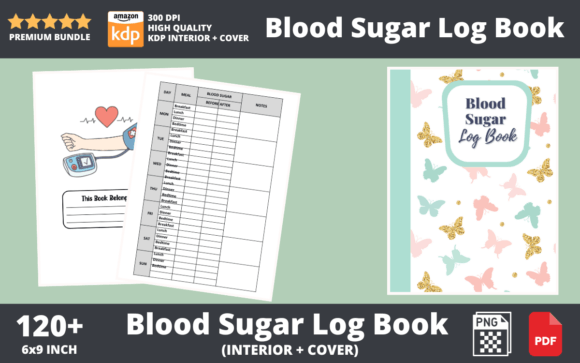
The book includes 120 pages of tracking space, which means you can log data for several months without needing to replace it. This duration is intentional. Short-term tracking can reveal immediate patterns, but longer-term records help you see trends that might otherwise go unnoticed. For professionals and entrepreneurs who operate in cycles, having months of data gives you context that a weekly snapshot simply cannot provide.
Key Features That Support Consistent Use
- Quality Paper with High-Resolution Printing – The paper quality matters more than most people realize. When you record entries daily, you want a surface that handles pen or pencil without bleed-through. High-resolution printing also means any charts or reference sections remain crisp and readable over time.
- Ample Pages for Extended Tracking – With 120 pages, you can log data for roughly four months if you record once per day, or two months if you log morning and evening readings. This volume reduces the friction of reordering and keeps your history in one continuous record.
- Print-Ready PDF Option – Not everyone wants a physical book. If you prefer digital storage or want to print multiple copies for family members, the print-ready PDF format gives you flexibility. You can keep a digital backup, print on demand, or integrate the pages into a binder system.
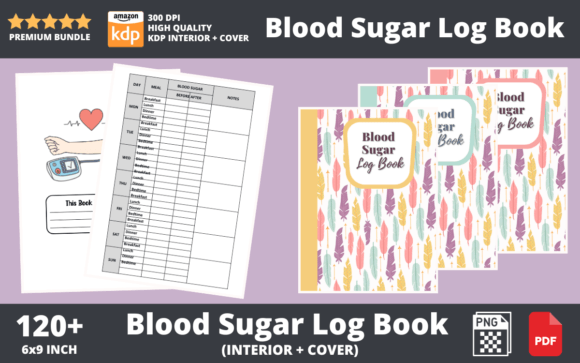
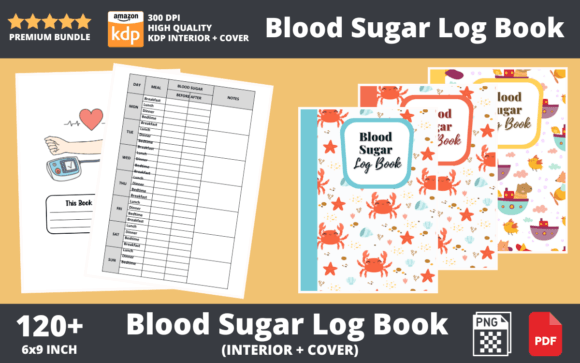
- Multiple Cover Designs – This might seem like a minor detail, but having design options means you can choose a cover that fits your personal style or the context where you will use it. A visual you enjoy looking at makes you more likely to keep the book visible and accessible.
- Comprehensive Tracking Fields – Beyond just blood sugar, the log includes space for blood pressure, pulse, and a category chart. This all-in-one approach eliminates the need to juggle multiple logs or apps, streamlining your health tracking into one simple workflow.
Where Health Logging Fits Into Professional and Creative Workflows
Professionals, freelancers, and entrepreneurs often operate under schedules that leave little room for fragmented health management. The key is to embed logging into existing habits rather than treating it as a separate project. Here is how the Crab Cute Blood Sugar Log Book can work within your actual day.
Morning Preparation and Planning
For many people, the most consistent time to log blood sugar is first thing in the morning. This fits naturally into a morning routine that already includes checking your phone, making coffee, or reviewing your schedule for the day. Place the log book next to your coffee maker or on your desk where you plan your day. Record your fasting glucose and morning blood pressure while you do a quick review of your calendar.
This small act of logging serves as a mental cue that your health is part of your productivity foundation. When you see your numbers alongside your daily plan, you can make informed decisions about meal timing, activity level, and stress management before the day accelerates.
During Project Execution and Creative Work
Creators, writers, and designers often work in deep focus sessions that last several hours. Blood sugar fluctuations can directly impact concentration, energy, and cognitive performance. By logging readings at set intervals, you can correlate your energy dips with specific glucose patterns. This data becomes a practical input for structuring your work sessions around your natural metabolic rhythm.
For example, if you consistently see a drop in blood sugar two hours after lunch, you can schedule creative work for the morning and administrative tasks for the afternoon. The log book becomes a decision-support tool, not just a record of numbers.
After Work or Task Completion
End-of-day logging offers a chance to review what you ate, how you moved, and how your body responded. For small business owners who also manage inventory, client calls, and marketing, this reflection period can be a helpful wind-down ritual. It also provides data for your healthcare provider during checkups, giving them a complete picture rather than relying on memory.
Integrating the Log Book with Other Tools and Methods
A paper log book does not have to exist in isolation. Many users combine it with digital tools for deeper analysis. Here are practical ways to integrate the Crab Cute Blood Sugar Log Book into a broader health management system.
- Weekly Review with Spreadsheets – Transfer your weekly data into a spreadsheet if you want to calculate averages, create charts, or identify trends over several months. The print-ready PDF format makes it easy to scan pages or take photos for digital entry.
- Pairing with a Meal Planning System – If you already use a meal planner or food journal, keep the blood sugar log nearby. Note which meals correspond to which readings. Over time, you will see clear patterns that help you adjust portion sizes, carbohydrate timing, or meal composition.
- Sharing with Healthcare Providers – Bring the log book to appointments. The comprehensive fields mean you have blood pressure, pulse, and blood sugar all in one place. Your doctor or dietitian can review months of data in minutes, which leads to more tailored advice than a single office reading can provide.
- Using the Category Chart for Trend Spotting – The category chart is designed to help you classify readings into ranges. Use this feature to quickly see how many days you were in target range versus outside it. This is especially useful for entrepreneurs or freelancers who need to make rapid decisions about their health without spending hours analyzing data.
Practical Implementation Tips for Long-Term Consistency
Starting a new tracking habit is easy. Maintaining it for months is where the real challenge lies. Here are observations from users who have successfully integrated health logging into their routines.
Keep the book in a visible, fixed location. If you have to search for the log book each time, you will skip entries. Place it where you already spend time in the morning, such as next to your phone charger or coffee machine. Visibility reduces friction.
Log at the same times each day. Consistency matters more than frequency. Even if you only log once daily, doing it at the same time gives you comparable data. For professionals with variable schedules, consider tying the log to a recurring event like your first email check or your post-lunch break.
Use the PDF version as a fallback. If you travel frequently or work from multiple locations, keep a printed copy in your bag and a digital copy on your device. This ensures you never break the habit simply because you left the book at home.
Review monthly, not daily. Daily fluctuations can be stressful if you overanalyze them. Instead, use the log as a collection tool and schedule a monthly review session where you look for patterns. For marketers and educators who already review monthly metrics for their work, this approach will feel familiar and manageable.
Quality Control and Long-Term Use
The physical quality of the log book directly affects how likely you are to use it consistently. The high-resolution paper mentioned in the features list is not a marketing detail. It matters because entries made with pen or pencil need to remain legible months later. If you have ever tried to read faded or smudged notes from a low-quality notebook, you understand why paper quality is a practical concern.
The 120-page count also encourages long-term use. A book with too few pages forces you to reorder frequently, which disrupts continuity. With four months or more of data in a single volume, you can flip back to earlier entries and compare seasonal patterns, lifestyle changes, or the effects of new routines.
For users who prefer digital organization, the print-ready PDF option means you can keep a clean backup or print fresh copies without degradation. This is especially useful for educators or wellness coaches who need to provide logs to clients or students.
Observations on Workflow Integration
What makes the Crab Cute Blood Sugar Log Book effective is not any single feature but how the features work together to reduce friction. The cover design variety allows personalization, which increases the chance you will keep the book visible rather than tucked away in a drawer. The comprehensive tracking fields eliminate the need for separate logs, which simplifies your daily routine. The ample pages and quality construction ensure the tool lasts through extended use without falling apart.
For professionals and creators who already manage multiple projects, the ability to integrate health tracking into your existing workflow is a practical advantage. You do not need to learn a new app, remember another password, or switch contexts. You simply open the book, write a few numbers, and move on with your day. Over weeks and months, those small entries build into a dataset that supports better decisions about your health, your energy, and your productivity.
The blood pressure log component adds another layer of utility. Cardiovascular health and glucose metabolism are closely linked, and tracking both in one place helps you see how they interact. For a freelancer managing irregular hours or an entrepreneur dealing with high stress, this combined view is more useful than tracking each metric separately.
In practice, the log book works best when you treat it as a companion to your existing planning system rather than a standalone task. Whether you use a digital calendar, a paper planner, or a project management tool, the log book fills a specific role: capturing biometric data that you can reference when making decisions about your schedule, your meals, and your work sessions. It is a simple tool for a specific purpose, and it performs that purpose without unnecessary complexity.