Why a Blood Pressure and Blood Sugar Log Book Is Your Health Tracking Essential
Managing your health at home has never been more important. Whether you have a chronic condition like hypertension or diabetes, or you simply want to stay proactive about your well-being, keeping a consistent record of your vital readings is one of the smartest habits you can develop. But what exactly makes a good log book, and how can something as simple as a paper tracker transform the way you understand your body? In this guide, we will explore the purpose, significance, and practical relevance of using a dedicated log book for blood pressure and blood sugar, and break down everything you need to know to get started.
What Is a Blood Pressure and Blood Sugar Log Book?
A blood pressure and blood sugar log book is a structured journal designed to help you record daily health measurements in one convenient place. Instead of scribbling numbers on random scraps of paper or trying to remember them later, a proper log book provides dedicated spaces for entering your systolic and diastolic blood pressure, pulse rate, blood glucose levels, and even category charts that help you interpret what those numbers mean at a glance.
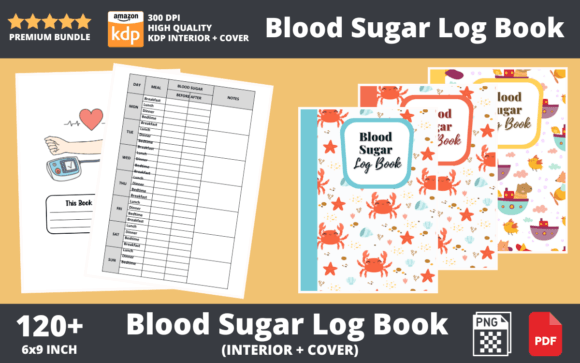
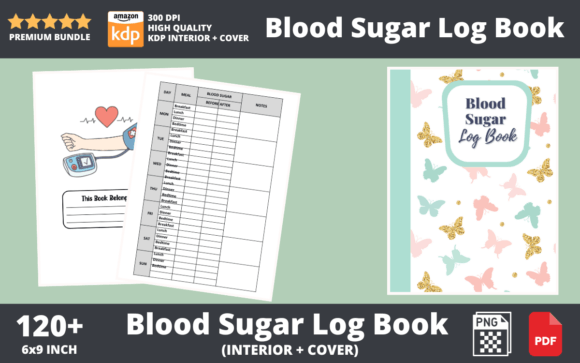
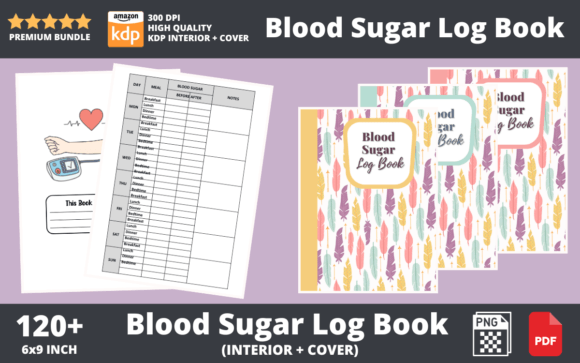
The Blood Pressure Log Book is more than just a notebook—it is a companion for anyone who needs to monitor their readings consistently. Similarly, the Feather Blood Sugar Log Book focuses on glucose tracking but often overlaps with blood pressure monitoring because the two conditions frequently go hand in hand. Together, they form a complete picture of your cardiovascular and metabolic health.
Key Features at a Glance
Modern log books are thoughtfully designed to make tracking effortless. Here are the features you can typically expect:
- Quality Paper with High-Resolution Print: Clean, legible pages that resist ink bleed, so your entries stay neat over time.
- Ample Pages: 120 pages provide months of tracking without needing to buy a new book every few weeks.
- Print-Ready PDF Format: Whether you prefer to print at home or keep a digital copy on your device, the format offers flexibility.
- Multiple Cover Designs: Choose a look that suits your style, making the log book something you actually enjoy using.
- Comprehensive Tracking Sections: Spaces for blood pressure, blood sugar, pulse, and a category chart to help you recognize patterns and trends.
These features might seem simple, but they address a very real need: consistency. When your tracking tool is easy to use and pleasant to handle, you are far more likely to stick with it.
Why Consistent Tracking Matters for Your Health
Many people assume that a single reading at the doctor's office is enough. In reality, blood pressure and blood sugar fluctuate throughout the day based on activity, stress, meals, medications, and even the time of day. A one-off measurement can be misleading. A log book gives you the data to see the bigger picture.
For instance, you might notice that your blood pressure tends to rise in the late afternoon, or that your fasting glucose is higher after a particular type of meal. These insights empower you and your healthcare provider to adjust medications, diet, or lifestyle habits with precision.
“Tracking daily readings helps uncover patterns that a single clinic visit can never reveal.” This is especially true for conditions like hypertension and diabetes, which require ongoing management rather than occasional check-ins.
Bridging the Gap Between Doctor Visits
When you visit your physician, they rely on your reported history to make decisions. A well-kept log book gives them reliable data, not guesses. It also saves you from the anxiety of trying to recall numbers from weeks ago. You walk into the appointment with confidence, knowing you have a complete record at your fingertips.
Many doctors now actively encourage patients to keep a home monitoring log because it improves accuracy and reduces the "white coat effect"—the temporary spike in blood pressure that some people experience in a clinical setting.
How to Use Your Log Book Effectively
Getting started with a blood pressure and blood sugar log book is straightforward, but a few best practices can make your data more useful.
- Measure at the same time each day. Consistency is key. Morning and evening readings offer the most valuable comparison points.
- Use the category chart feature. Many log books include a reference chart so you can quickly see whether your numbers fall into normal, elevated, or high ranges. This gives immediate context without needing to memorize guidelines.
- Record notes alongside numbers. Jot down what you ate, how you felt, or any medications you took. These contextual clues help explain fluctuations.
- Keep your log book accessible. Leave it near your monitoring equipment so you never skip a day. The 120-page count means you have room for several months of entries, so there is no pressure to fill it quickly.
- Review trends weekly. Don't just collect data—use it. Spend a few minutes each week looking for patterns. Is your pulse consistently high after exercise? Is your blood sugar lower on days you walk? These observations are gold.
Who Can Benefit from a Log Book?
The short answer: almost anyone. But certain groups find particular value:
- Individuals diagnosed with hypertension or diabetes who need to track daily readings for medical management.
- Older adults who monitor multiple health metrics and want a simple, non-digital tool.
- Caregivers who keep records for a family member and need a clear, organized format.
- Health-conscious individuals who want to understand how their lifestyle affects their body over time.
- People newly diagnosed who are learning to navigate self-monitoring for the first time.
The beauty of a paper log book is that it works for everyone. It requires no batteries, no internet connection, and no app updates. It is always ready when you are.
The Practical Relevance in Modern Life
In a world dominated by health apps and smartwatches, you might wonder why a paper log book still matters. The answer lies in simplicity and reliability. Digital tools are fantastic, but they come with distractions, notifications, and learning curves. A paper log book offers a focused, uninterrupted tracking experience.
Furthermore, having a physical record means you are not dependent on cloud backups or device batteries. When you open your log book, everything is right there—no scrolling, no syncing, no fuss. For many people, this tactile experience also reinforces the habit. Writing something down by hand helps cement it in memory and creates a sense of accountability.
The print-ready PDF format is particularly useful if you prefer a hybrid approach. You can print fresh pages as needed, or keep a digital copy for backup. The availability of multiple cover designs also means you can choose a look that feels personal, which might seem trivial but actually encourages regular use.
Clarifying Common Misunderstandings
One common assumption is that you need to track every single day without exception. While daily tracking is ideal, missing a day here and there is not a failure. The goal is consistency over the long term, not perfection. Another misunderstanding is that you need expensive equipment to get good data. A standard, validated home blood pressure monitor and a basic glucose meter are sufficient—the log book is where you make that data meaningful.
Some people also worry that they will not understand the category chart or know how to interpret their numbers. Most log books include an easy-to-follow reference, and your healthcare provider can help you set personalized target ranges. You are not expected to be a medical expert; you just need to record honestly and consistently.
Building a Broader Understanding of Self-Monitoring
Self-monitoring is more than a task—it is a practice of self-awareness. When you track your blood pressure and blood sugar, you are not just collecting numbers. You are building a narrative about your health. You are learning how sleep, stress, food, and movement shape your body's responses. Over time, this awareness translates into better decisions and greater confidence in managing your own well-being.
The Feather Blood Sugar Log Book and the Blood Pressure Log Book are tools that support this journey. They are designed to reduce friction, so you spend less time figuring out where to write and more time actually tracking. The 120 pages give you room to track for months, making it easy to look back and see how far you have come.
Practical Example: How It Works in Real Life
Imagine you start using your log book on a Monday morning. You take your blood pressure: 128/82, pulse 72. You test your blood sugar: 102 mg/dL. You write it all down in the designated columns. Later that week, you notice your numbers are a bit higher after a heavy dinner. A few days later, you see a drop after a morning walk. Without the log, these patterns would be invisible. With it, you have actionable insights.
You bring the log book to your next doctor's appointment. Your physician flips through the pages and immediately sees the trends. They adjust your medication dosage slightly based on the data, and you leave feeling informed and in control. That is the power of a simple, well-designed log book.
Final Thoughts: Small Tool, Big Impact
A blood pressure and blood sugar log book might seem like a small purchase, but its impact can be profound. It turns vague feelings and scattered numbers into a clear, organized record that supports better health decisions. Whether you choose the Feather Blood Sugar Log Book for glucose tracking or the comprehensive Blood Pressure Log Book for cardiovascular monitoring, you are investing in consistency, clarity, and peace of mind.
If you are ready to take charge of your health tracking, look for a log book that offers quality paper, ample pages, a print-ready PDF option, multiple cover designs, and comprehensive tracking sections for blood pressure, blood sugar, pulse, and category charts. These features are not just nice-to-haves—they are the foundation of a tracking habit that lasts.
Remember, the best log book is the one you actually use. Find one that fits your style, keep it where you can see it, and start building your health story one reading at a time.